There’s a common misconception that sustainable travel is a luxury reserve for those who can afford high-end eco-resorts or expensive carbon offset programs. In reality, eco-conscious travel and budget travel are natural allies. Sustainable travel isn’t about spending more; it’s about shifting how you spend, move, and consume.
By making deliberate choices that cut costs and environmental impact at the same time, you can explore the world thoughtfully while keeping your budget intact.
Ditch the Rental Cars and Taxis for Public Transit
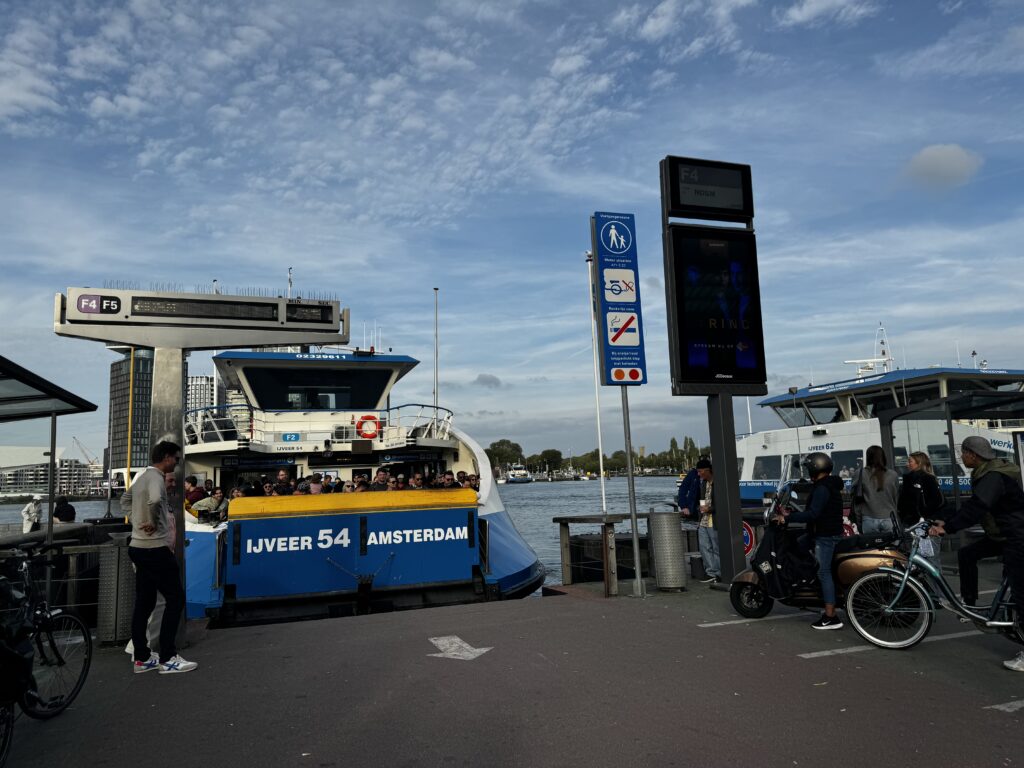
Transportation is one of the largest costs of any trip, as well as a major source of carbon emissions. Choosing local transit options when possible drastically cuts both expenses and environmental impact.
Rely on trains, ferries, and buses: Navigating a city via its public transit system costs a fraction of ride-shares or taxis while dramatically reducing your per-passenger carbon footprint. And after reducing the carbon footprint drastically, my favorite part is that it gives you more insight into how the locals live day to day. When you can see firsthand just a fraction of daily life for the locals where you’re traveling, your mind expands. And when your mind expands, your whole world opens up.
Explore on foot or by bike: Walking and using city bike-share programs are completely free or low-cost ways to explore. They offer an intimate, ground-level view of a city that you might miss from the back seat of a car. And again, we’re expanding our minds over here in this little corner of the internet.
Swap short-haul flights for overland travel: Regional trains and buses eliminate airline baggage fees, airport transfer costs, and the high carbon intensity of short flights.
Now, these won’t always be your best or safest option, or even an option, depending on where you’d like to go or stop. And that’s okay — the point is shifting your mindset to seek out ways to travel more sustainably where and when you can. Plus, sometimes a good roadtrip can offer you flexibility and access that you wouldn’t otherwise have with public transportation. Like when I went to Douro in Northern Portugal, I initially purchased a train ticket from São Bento to Douro. But then, I got in my own way and overslept, missing my train. There were later trains I could take, but I decided then that perhaps that had been a sign for me to rent a car and do this journey at my own pace, making stops that I couldn’t have had I taken the train. And boy, did I enjoy that solo roadtrip, stopping at pretty much every miradouro I saw. Watch me do a hike in the Douro Valley here and check out my full Douro Valley itinerary here.
Embrace Slow Travel and Off-Peak Seasons
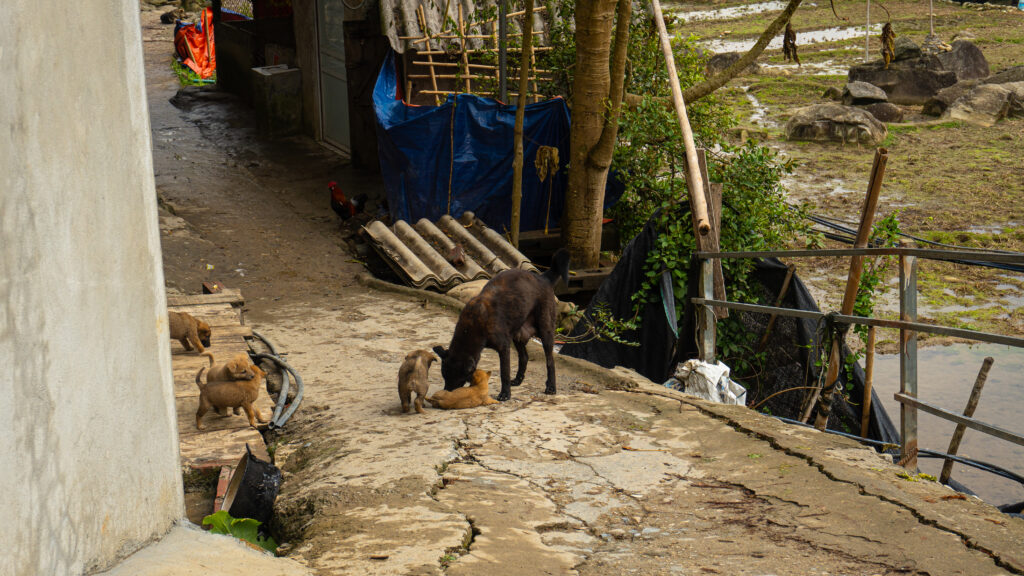
Rushing through multiple cities in a short window inflates transit costs and places excess strain on tourist hotspots. Slowing down can help cater towards a richer experience that costs less. Tell me again why we are saying “no” to this?
Travel during the shoulder or off-season: Visiting destinations outside peak months lowers accommodation and transit prices significantly. It also prevents overcrowding and provides local businesses with steady income throughout the year. And the biggest perk? Wayyyyy less crowds. Sometimes no crowds. Okay, sometimes traveling during off-peak seasons means you might get a little more rain, like when I went to Panamá, but if we all just learned to dance in the rain, I think the world would be a happier place. Don’t you? If I have the room for flexibility, this is typically one of the first things I consider when I’m thinking about where I’ll travel to next.
Stay longer in fewer places: Spending a week in one neighborhood instead of jumping between four cities reduces transit spending and allows you to build a meaningful connection with the local community. I feel like there’s always going to be that voice inside your head telling you to see as much as you can while you’re there, because, “when else will you ever get the chance?” I get that. Same. But also, I find that traveling with the intention of really learning about the place you’re visiting and its people, food, culture, way of life, is almost impossible if you’re doing a hop, skip, and jump through a country’s three major cities and taking some photos along the way. Besides, who wants their entire vacation to be rushed? Not me.
Take advantage of weekly stays: Many local guesthouses, rentals, and hotels offer discounted weekly rates, cutting lodging costs while also lowering the energy and resource consumption of frequent turnover. This one is a budgeting “hack” not a lot of people realize. But aside from not traveling during peak season, this is another great way to take advantage of lower costs for accommodation. I don’t always do this, but hey, I do try.
Eat Locally and Seasonally
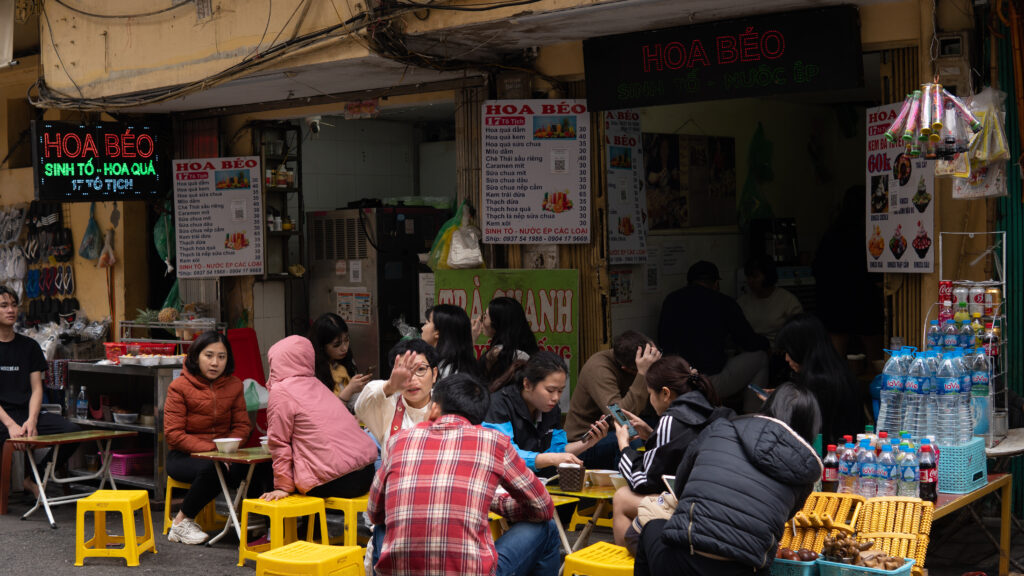
Dining out at tourist-oriented restaurants can quickly drain a travel budget, and often relies on imported ingredients with high shipping footprints.
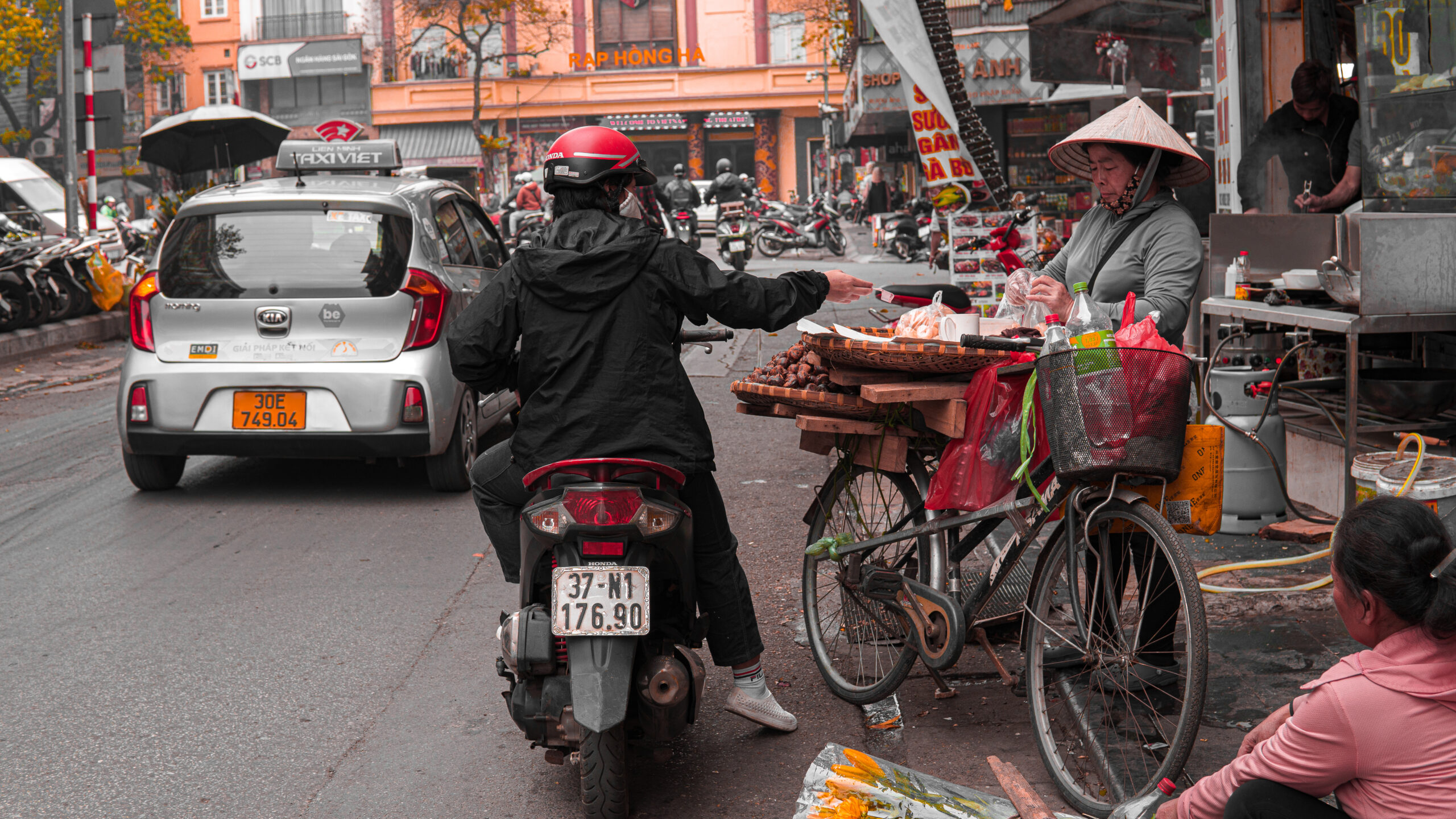
Support neighborhood markets and street food: Okay, first of all, why are people still traveling abroad just to hit up the first Wendy’s or Subway they see? Not that you can’t be traveling and enjoy a burger or a sub. But if you’re really craving those specific dishes, try finding a local alternative. Like Mos Burger in Japan if you want a burger. Or literally any sandwich shop in Italy if you’re craving a cold-cut sandwich. Eating at local stalls, neighborhood markets, and family-owned cafes is one of the most affordable ways to dine, and keeps money circulating within the neighborhood while offering authentic regional food. It would be a never-ending list if I tried to list all my favorite local stalls/restaurants from around the world, but here are a few that stand out for me in this moment: Diporto in Athens, TAS x Coffee in Tokyo, Atsuta Funazushi in Nagoya, and Hing Kee Restaurant in Hong Kong.
Shop at local grocery stores and markets: I cannot stress this enough! Purchasing fresh, regional ingredients at neighborhood markets for picnics or simple meals saves so much money and reduces the packaging waste of constant takeout. Also, it’s a very not-so-obvious way to gain a bit of insight into the lives of the locals. You can go to a grocery store and see what fresh ingredients they have access to, what’s considered affordable or expensive, etc. You can watch me wandering through Mercado Do Bolhão in Porto here.
Choose regional, seasonal produce: Dishes made with locally grown ingredients require far less transport and storage, resulting in fresher, cheaper, and lower-impact meals. And who doesn’t want that??
Spend Your Money Where It Counts
Budget travel doesn’t mean withholding money from host communities; it means ensuring the money you do spend stays local, rather than constantly leaking out to international corporations.
Hire native guides and local services: Paying a local guide for a walking tour or neighborhood excursion ensures fair compensation goes directly to community members who know the area best. There are even FREE walking guides in most large cities, and that leaves you room to tip the local tour guide however much you can!
Carry simple, reusable essentials: Bringing a refillable water bottle, a canvas tote bag, and a compact utensil set eliminates single-use plastics and prevents small, daily purchases from adding up over time. This is something I really need to put more effort into, especially when I’m in Japan and am constantly buying bottles of tea all day.
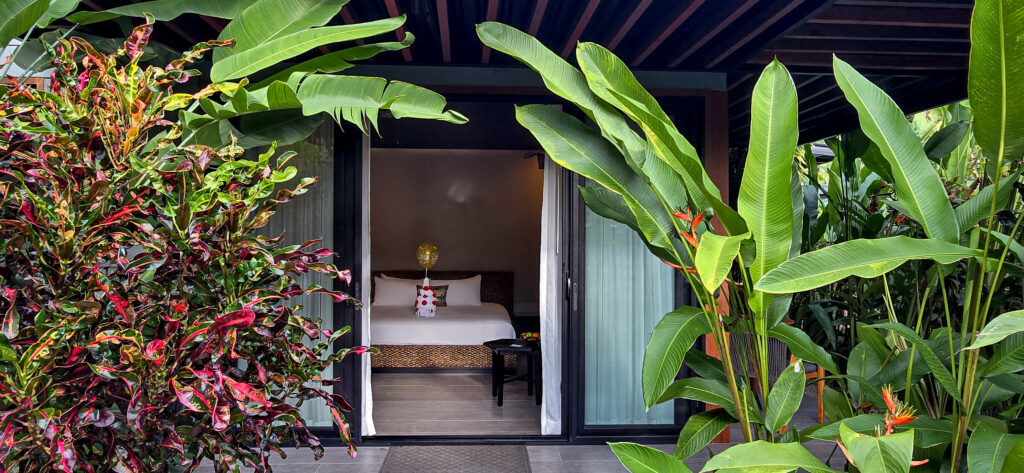
Choose eco-friendly stays: I used to think sustainable travel meant one of two things: staying in ultra-cheap hostels or ultra-expensive luxury 5-star hotels. But as I’ve gotten older and more experienced in traveling, I realized I don’t want to compromise on comfort, a good night’s sleep, or the budget I set for myself. And I quickly learned I didn’t have to, because prioritizing quality and budget doesn’t mean abandoning sustainability. Case in point: my stay at the Editory Garden Hotel in Porto (you can read all about my stay here). It was the perfect blend of eco-conscious hospitality, boutique comfort, and clean, modern aesthetics — all without breaking the bank. Whatever your budget, the goal is the same: choose places that make real eco-friendly practices a priority. If you don’t know where to start or what that could look like, here are a few examples of hotels that take environmental practices seriously (and the last on this list might just be my favorite hotel I’ve ever stayed at!):
Small Choices with a Lasting Impact
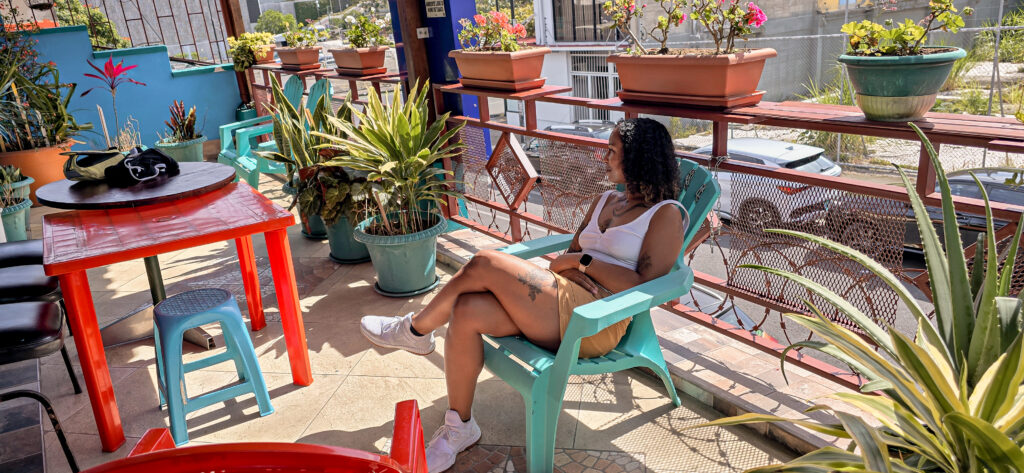
Sustainable travel isn’t about perfection or completely changing how you explore; it’s about being intentional with the decisions you make along the way. By choosing public transit, supporting local vendors, and staying in thoughtful, mid-range hotels, you protect the places you visit while getting a far richer experience in return. Traveling mindful doesn’t require a fortune — just a willingness to tread a little lighter wherever you go.