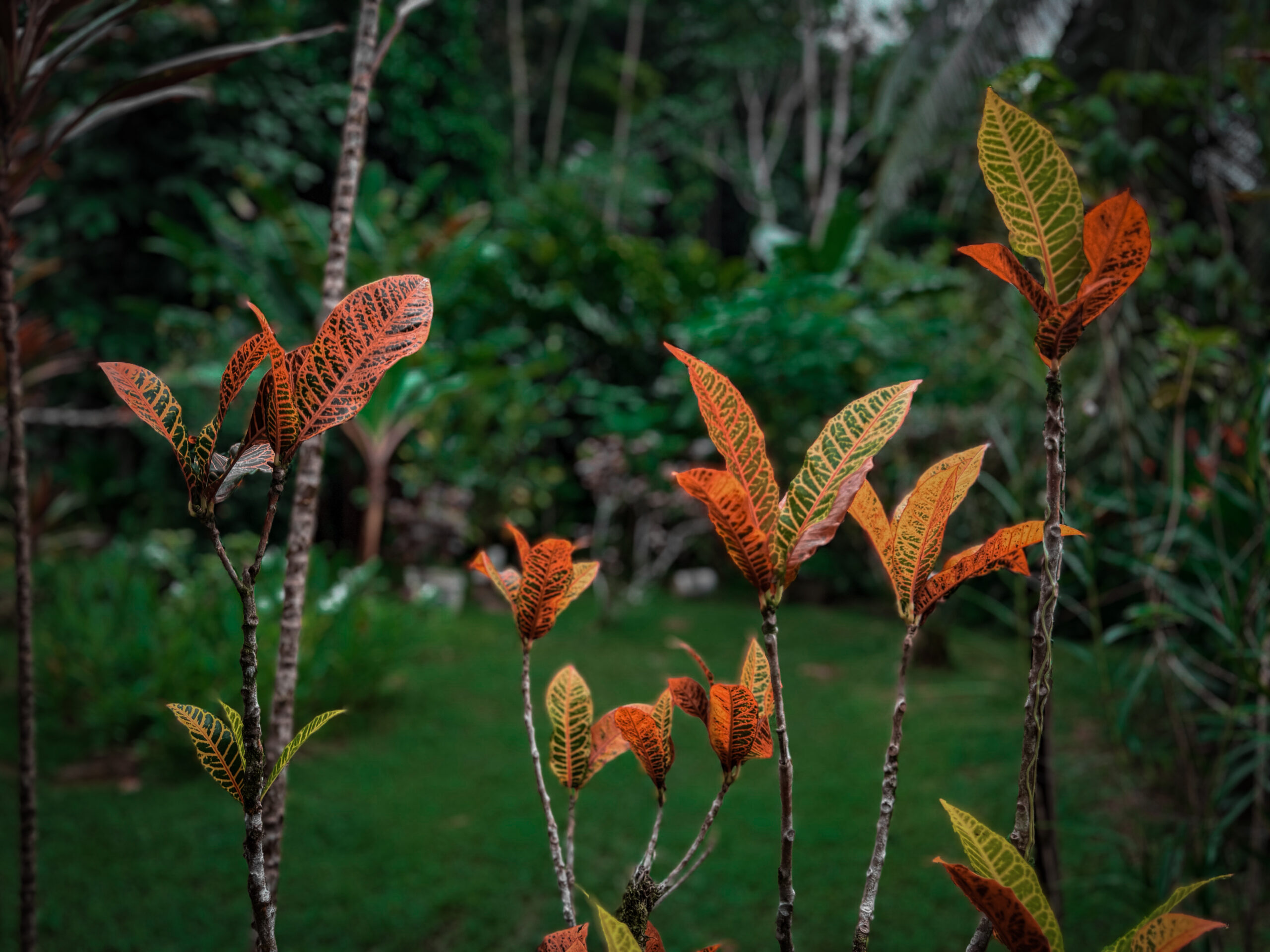
When most people think of Panama, the mind immediately goes to the postcard visuals. The pristine Caribbean beaches, the island-hopping boat tours, and the classic vacation spots where you can completely unplug. And while there is immense value in resting by the ocean, I’ve realized over the years that the travel experiences that truly stay with you are the ones that force you to slow down and connect with the soil beneath your feet.
Lately, the conversation around exploring the world has shifted. We hear a lot about “sustainable travel” or “eco-tourism.” Usually, that translates to a checklist of things not to do: don’t leave trash behind, don’t disturb the wildlife, reduce your plastic use. It’s essentially a “leave no trace” mindset.
But what if we aimed higher? What if traveling wasn’t just about minimizing our damage, but actively contributing to the flourishing of the places we visit?
This is the core of regenerative travel, and I recently had a beautiful reminder of what it looks like in practice while exploring Isla Bastimentos.
Embracing a Regenerative Travel Mindset on Isla Bastimentos
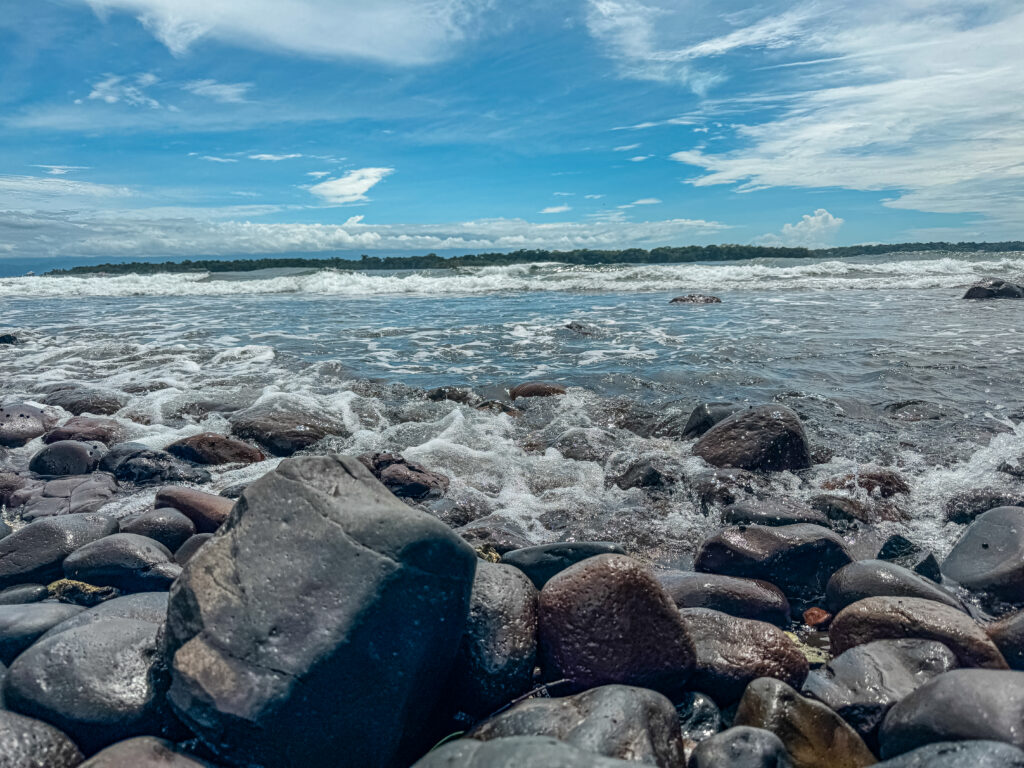
Sometimes the best travel experiences are the ones you don’t plan. I was hanging out at my bed and breakfast when a lovely couple staying there mentioned they had booked a permaculture farm tour the next day at a place called Pure Tree. They invited me to join, and with less than 24 hours’ notice, the farm was incredibly accommodating and squeezed me in.
Getting there is half the experience. As we hiked up into the tropical jungle canopy, away from the crowded beach spots, the first thing I noticed was just how alive the air feels out here. It is thick, warm, and humming with energy.
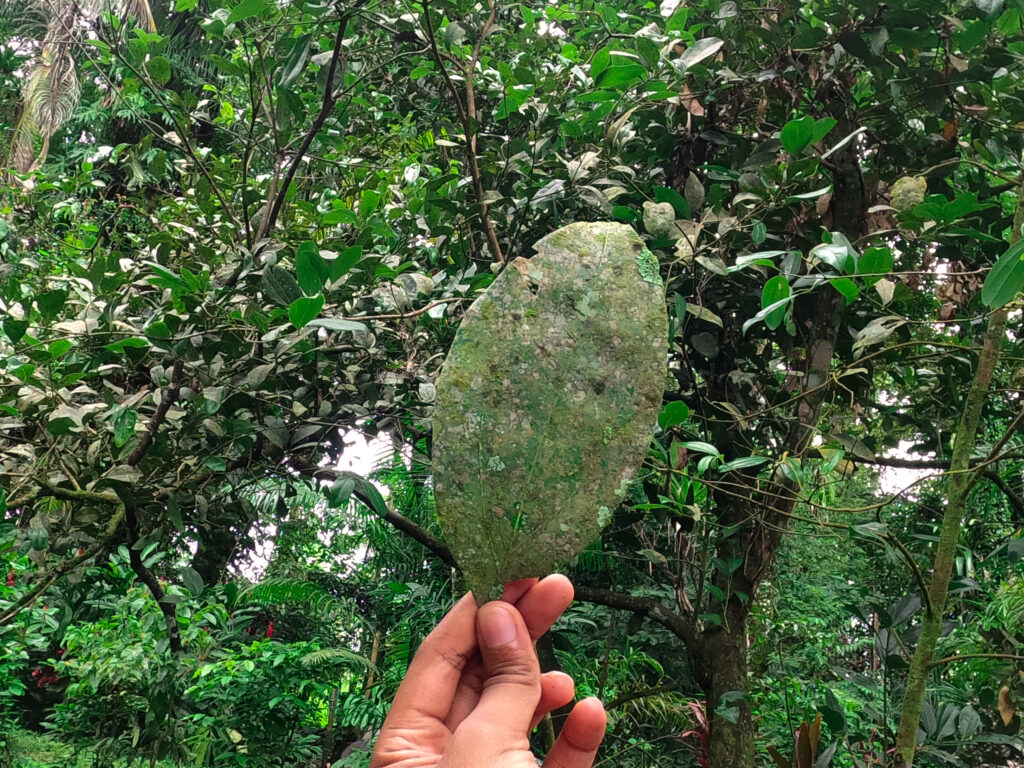
Hiking through a rainforest forces a unique kind of mindfulness. You cannot rush. You have to watch where your boots land, which naturally forces you to look closer at the world. Because of that slower pace, the jungle floor opened up to us. Our guide pointed out tiny, brilliant red strawberry poison dart frogs navigating the leaves and giant hermit crabs minding their own business. He reached up, crushed a leaf from a native tree, and handed it to me. Pure, aromatic cinnamon.
True sustainability isn’t just about carbon footprints. It’s about sustaining your own energy and presence enough to notice the details you would normally zoom past.
Lessons in Boundaries and Balance
An eco-conscious tour shouldn’t just be a scenic walk; it should teach you how the ecosystem breathes. One of the absolute standout highlights of the afternoon for me was finding a little plant called Mimosa pudica, or the sensitive plant. The second your finger brushes its leaves, they instantly fold inward to protect themselves.
It feels like watching real-world magic. But after returning to my accommodation, I did a little research and found that closing up like that requires a massive amount of the plant’s daily energy. It was a poignant reminder that even in the wild, boundaries have a cost.
Tasting the Soil
The peak of the tour was getting to taste fresh, raw cacao pulp straight from the tree. If you’ve never had it, it tastes nothing like standard chocolate. It is sweet, tart, and incredibly refreshing.
Afterward, the team at Pure Tree surprised us with a small lunch made almost entirely from the very jungle plants we had just spent the afternoon learning about. Sitting there, eating food grown in the exact soil we had just walked on, the concept of regenerative travel clicked.
Pure Tree isn’t just conserving the jungle; they are actively regenerating the soil, cultivating native species, and pouring knowledge back into the community. When you support experiences like this, your travel dollars are directly funding the restoration of the island.
The Therapeutic Power of the Solo Wander
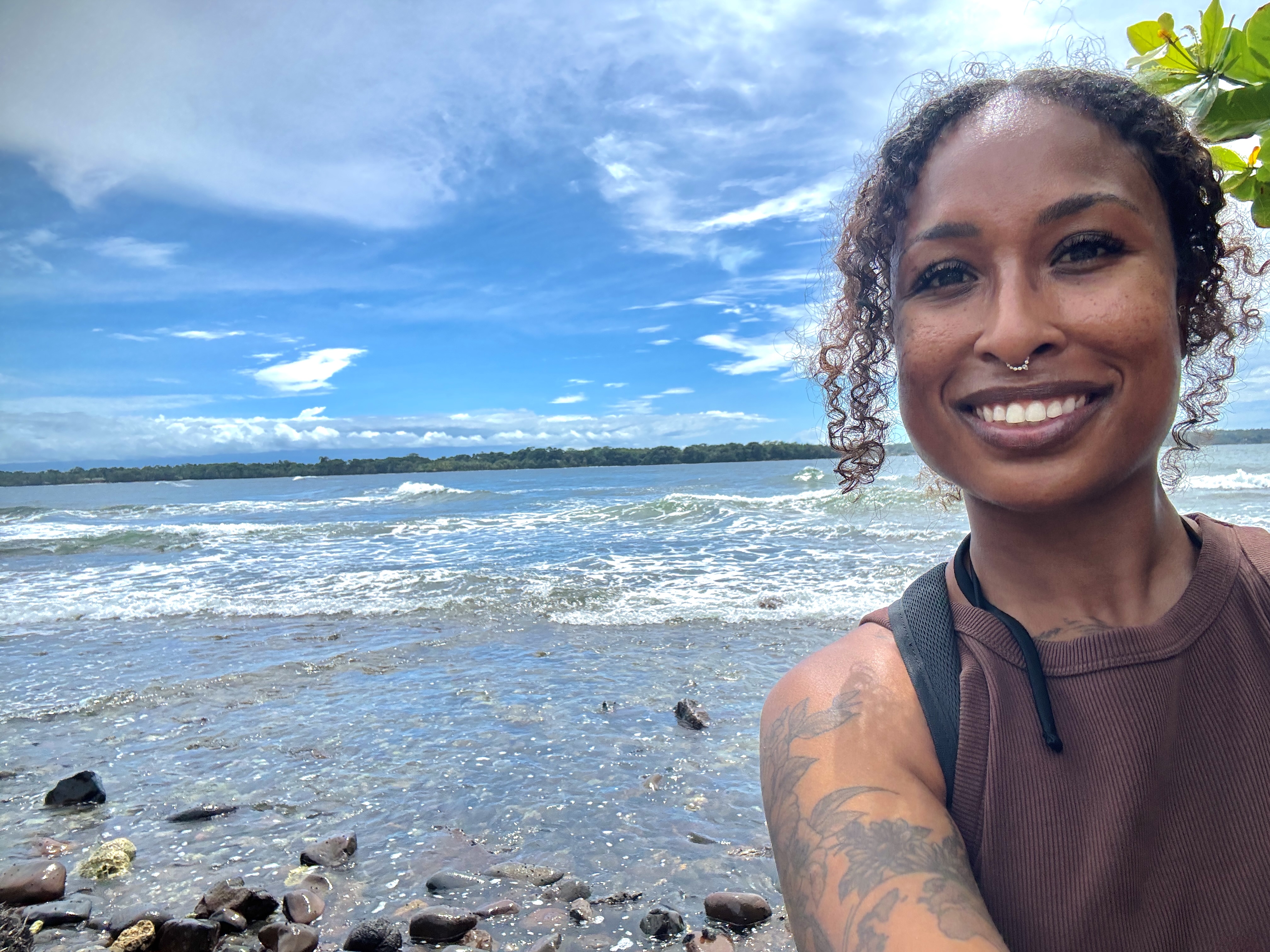
After lunch, I parted ways with the couple from the B&B. The tour was over, but the experience wasn’t. I spent the rest of the afternoon walking around Isla Bastimentos completely on my own, with zero agenda.
I personally think there’s something deeply therapeutic about exploring a place solo after a full day of learning with others. Walking through the quiet paths as the day cooled down allowed everything to sink in. No rushing, no timelines, just observing the local pace of life, while still saving space for gratitude. If you’re planning your Panama trip and need some inspiration or ideas, check out my Panama itinerary here.
If we want to keep exploring this beautiful planet, we have to move past the idea of travel as a simple escape. The next time you plan a trip, look for the hidden gems that invite you to get a little muddy, listen to a local guide, and leave the Earth just a little better than you found it.