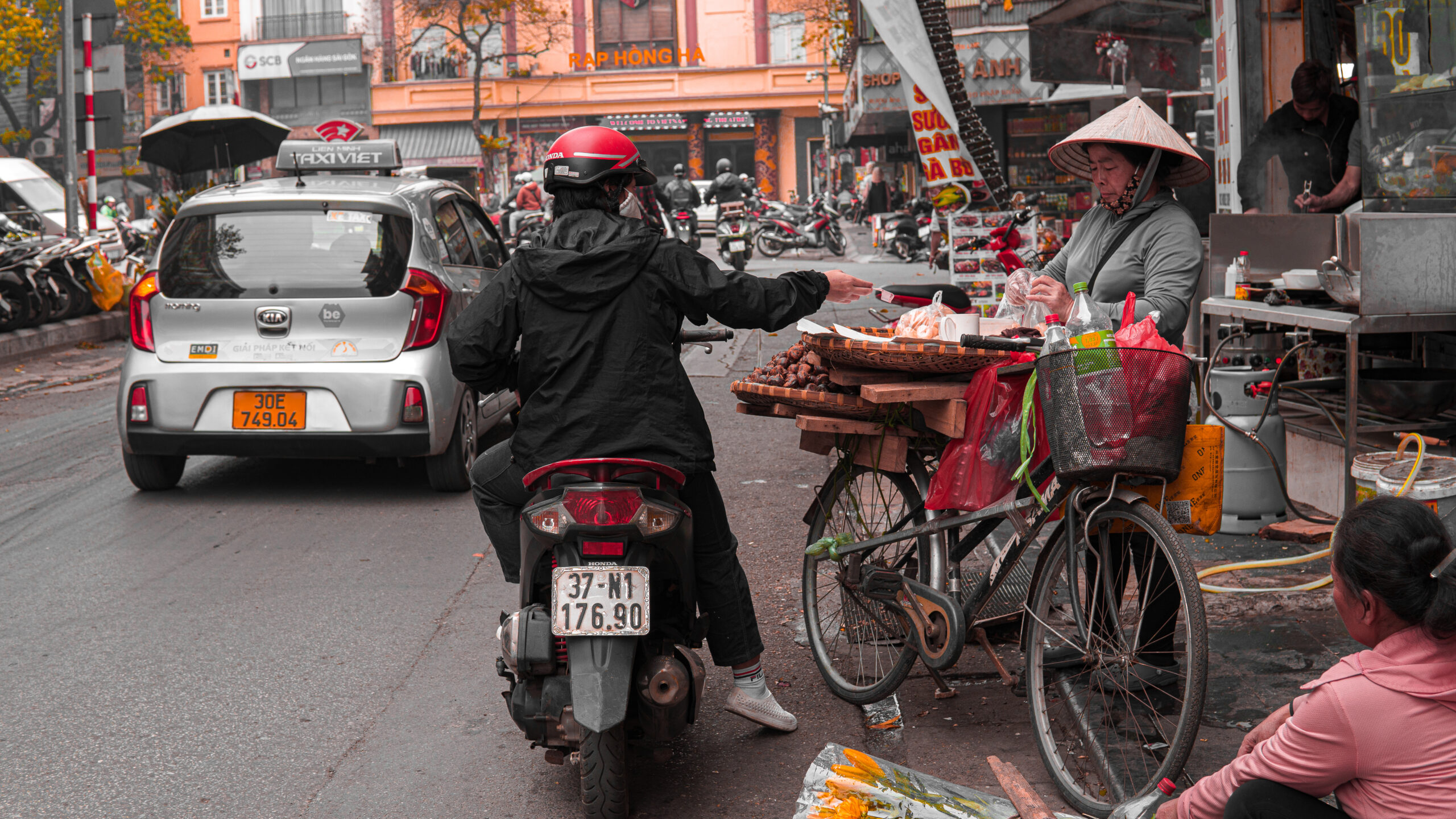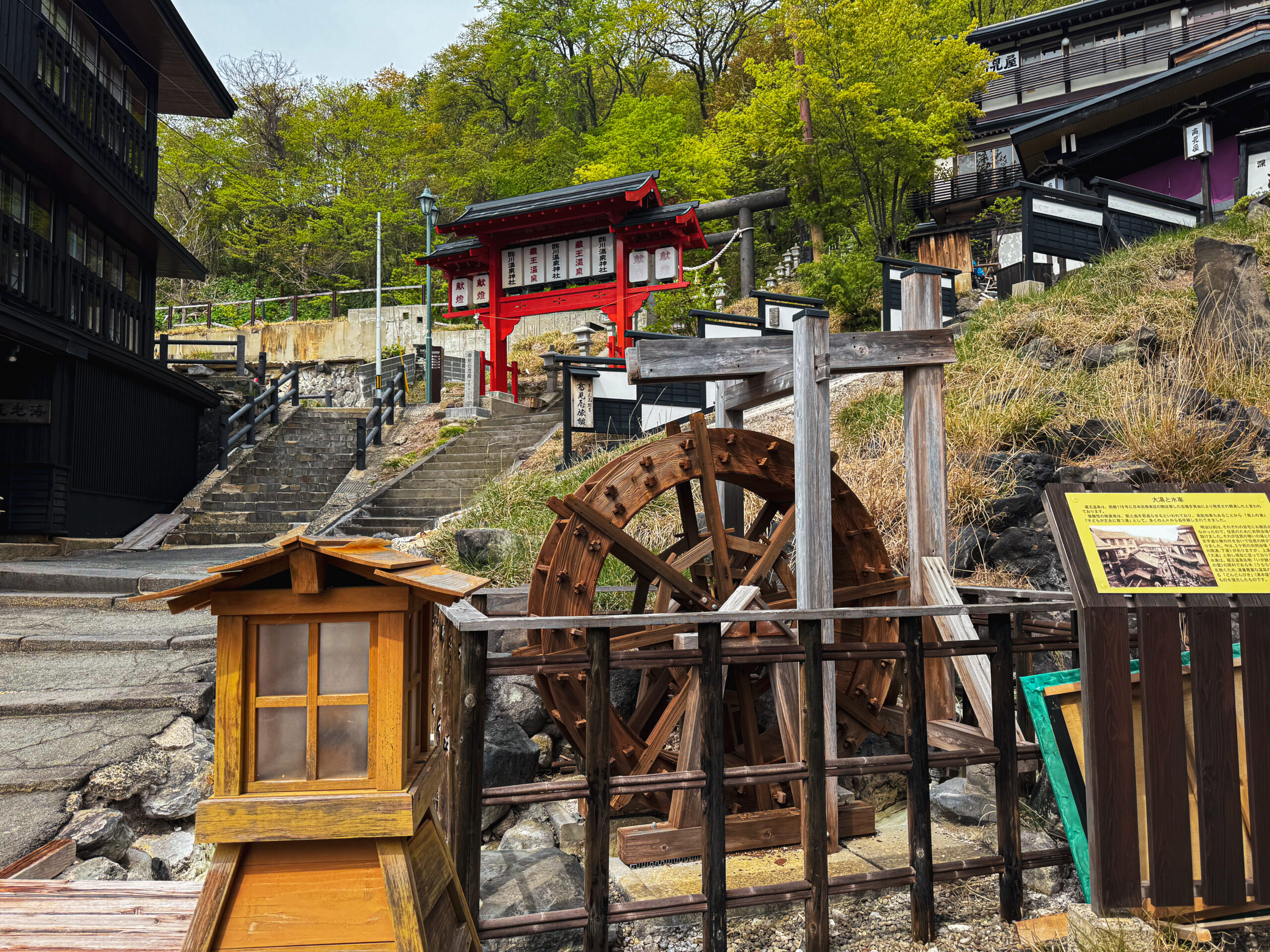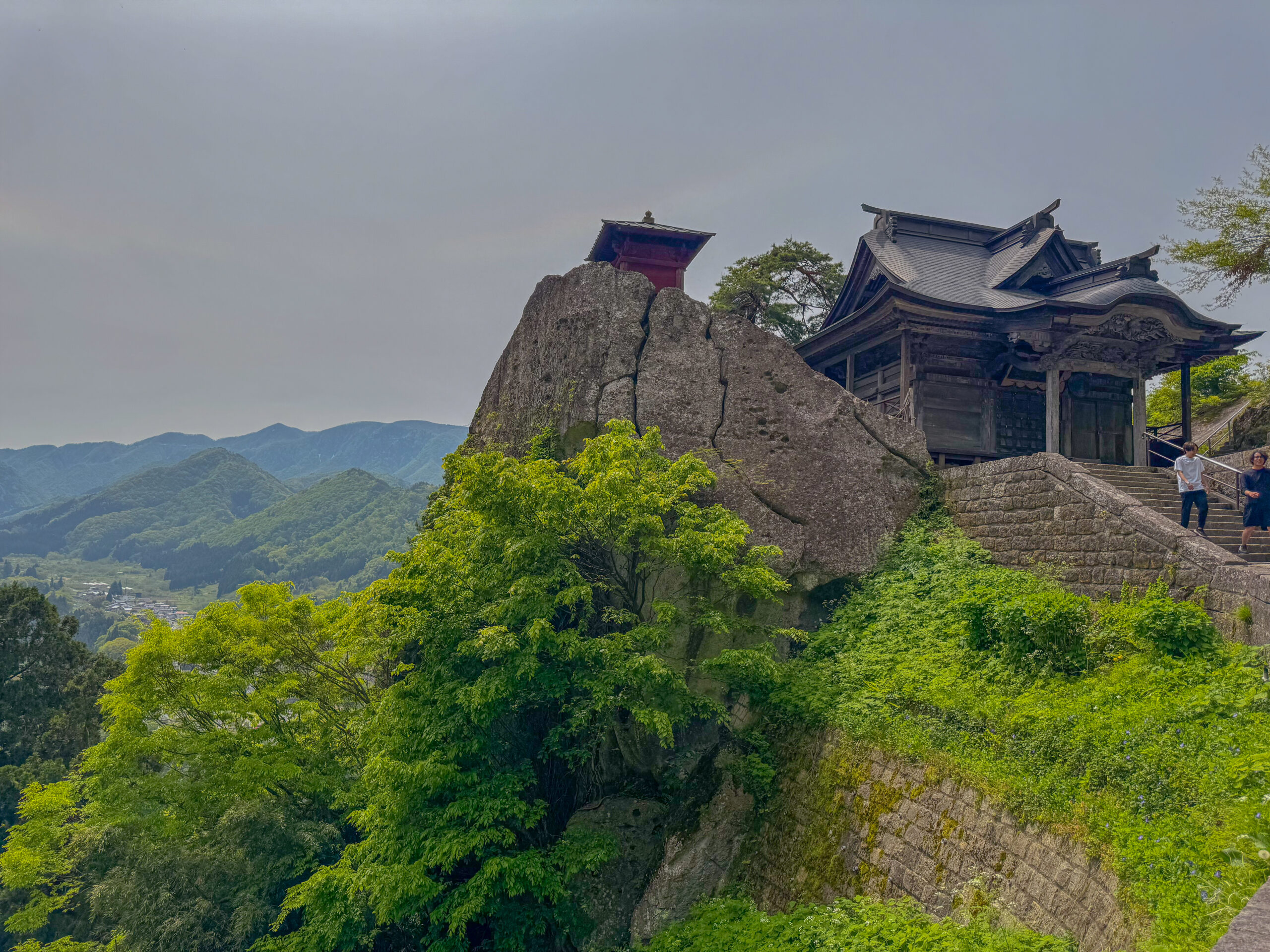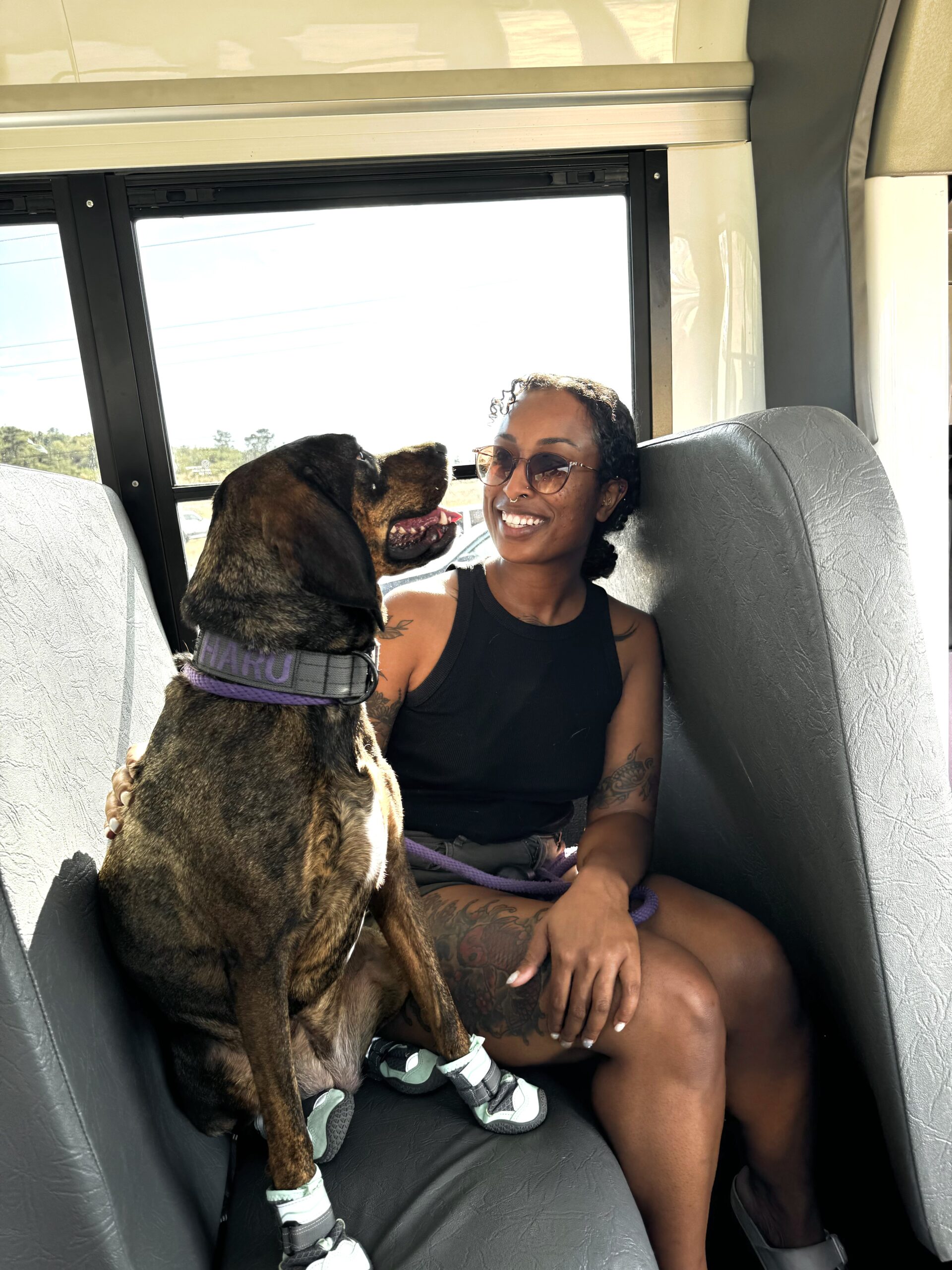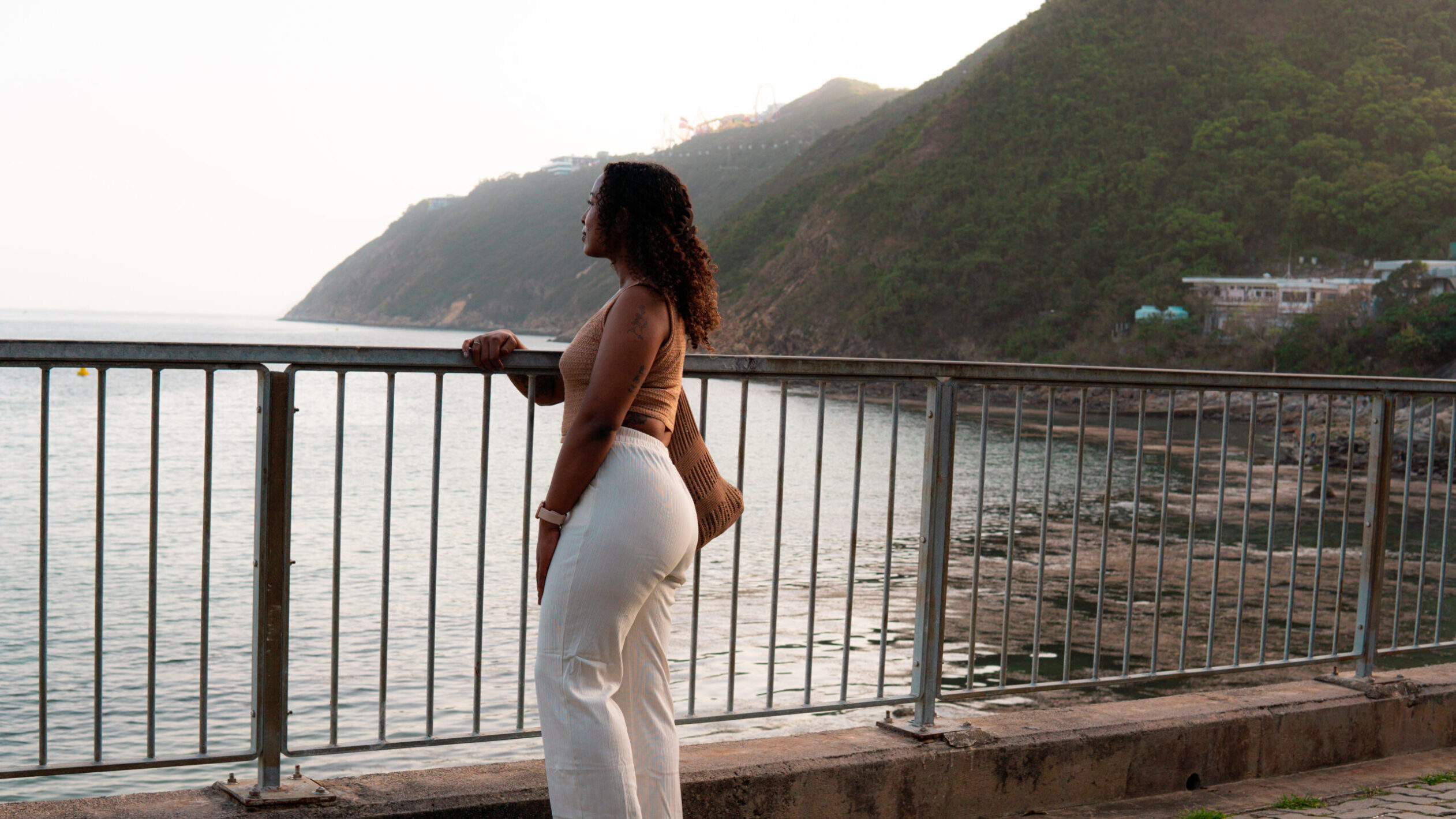
I’ve never been a “spreadsheet traveler.” In fact, for a long time, I was the opposite. My travel style was defined by a sort of beautiful, reckless chaos. I was the person who would land in a new country without a single night of accommodation booked, sometimes not even knowing where I’d be sleeping until the sun started to set.
I’ve spent nights wandering the streets of Malaysia because I couldn’t find a bed, turning the exhaustion of the unknown into a strange, yet unforgettable night.
But as I’ve leaned deeper into my background in psychology and my own vast array of personal experiences, I’ve realized that living in a constant state of “I’ll figure it out” isn’t the same thing as being present. It’s actually just a different form of stress. When you are constantly managing the logistics of survival, your nervous system never actually drops into a state of safety. You’re traveling, but you’re also constantly on guard, even when you don’t realize it.
This is why I’ve transitioned into building somatic itineraries.
What is a Somatic Itinerary?
In the travel world, a traditional itinerary tells you where to go. A somatic itinerary tells you how to reach a desired feeling or state of restoration.
It’s the practice of planning your day around your body’s needs rather than a map’s suggestions or your friend’s preferences. For me, this is where solo travel becomes a superpower. By building a somatic itinerary while you’re traveling solo, you’re essentially training your nervous system to prioritize its own well-being. You aren’t just navigating a new city; you are navigating your own mind. You’re proving to yourself that you are a safe person to be with, even when nothing “exciting” is happening.
If your nervous system says “I need to sit by the water for three hours,” or “I need to just keep walking until my heart rate slows down,” a somatic itinerary allows for that. In fact, it encourages it.
The Three Pillars of Restorative Travel
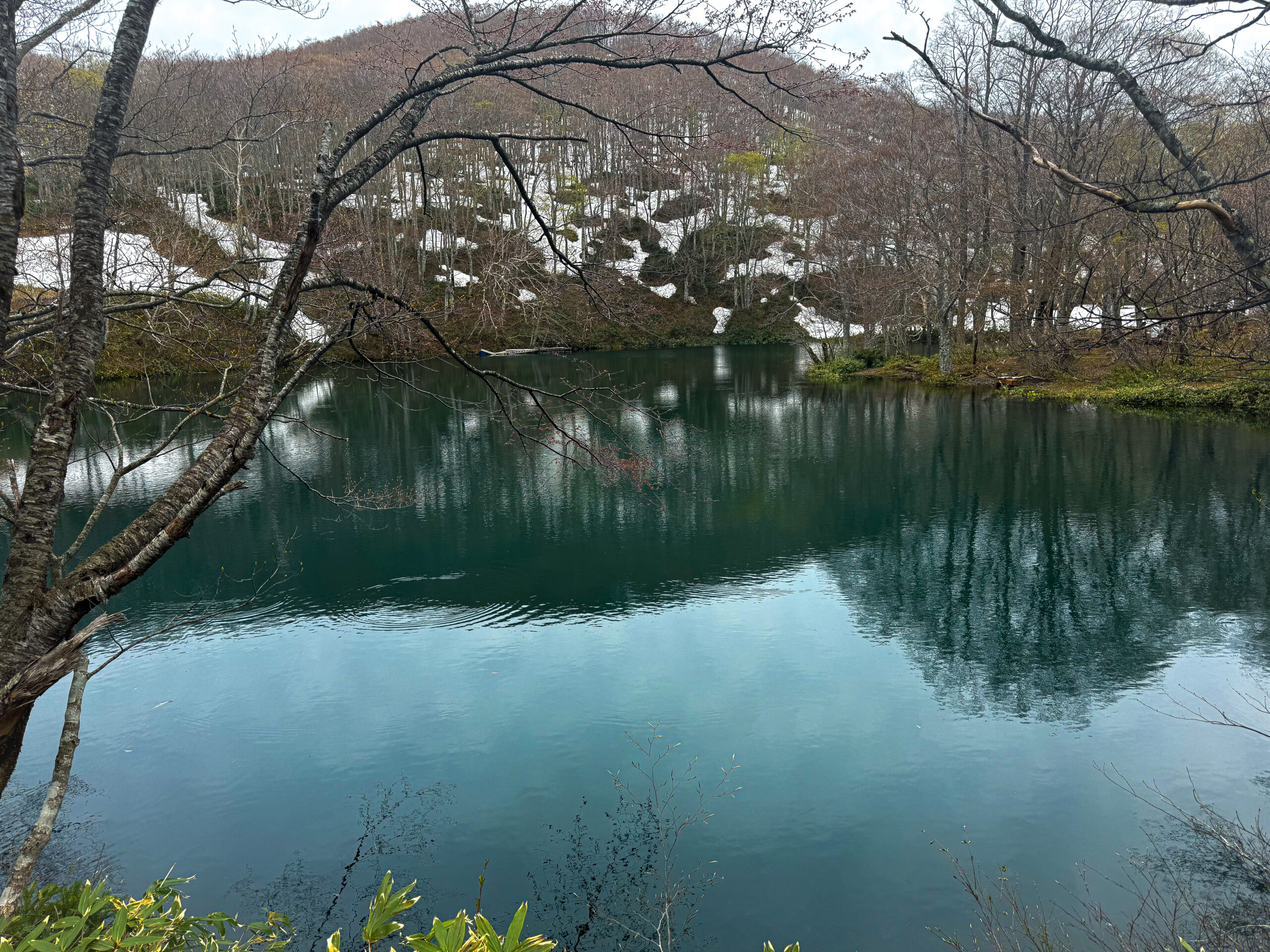
To make this practical, I break my days down into three intentional phases:
- The Sensory Baseline
- The first few hours of the day dictate your internal weather. After years of landing in new cities and immediately hitting the pavement to “find my way,” I now prioritize a low-input morning. This means starting in a high-oxygen, low-decibel environment. Whether it is a quiet park, a balcony overlooking a garden, or a local trail, I let my senses adjust to the new geography without the pressure of a “destination.” It is the opposite of that frantic, first-day energy; it is a deliberate slow start.
- The Anchor Point
- In my more chaotic travel days, I viewed “settling down” as a waste of time. Now, I realize that having a predictable “recharge nook” is what allows for true spontaneity. An anchor point is a space where you can exist without being a “tourist.” It is the down-to-earth cafe where you can sit for hours or the specific library corner you return to twice. By establishing a “home base” within the city, you give your brain a place to stop scanning for the unknown and finally drop into a state of safety.
- Low-Arousal Exploration
- I’ve learned the hard way that “adventure” doesn’t have to mean “adrenaline,” (though sometimes that is exactly what it is). After nights spent wandering streets out of necessity, I now seek out stillness by choice. I prioritize “low-arousal” sites—places like ruins, quiet museum wings, or watching the tide come in at a local pier. These spots offer a historical or natural weight that busy markets and famous landmarks often lose in the noise. The goal is to be a participant in the culture without being drained by the crowd every day.
Shifting the Metric of Success
We need to stop measuring how “good” a trip was by the number of photos in our camera roll or how many miles we walked in a day.
For a long time, my metric was how much I could endure. I thought that being a “real traveler” meant being okay with the discomfort, the missed sleep, and the constant uncertainty. But that is just another way of staying busy. It’s just another version of the “hustle” we’re all actually trying to leave behind.
Now, I measure the success of a trip by how I feel when I land back home. Do I feel like I actually had a conversation with myself? Did I come home with more energy than I left with? When we prioritize the nervous system, we stop being consumers of a destination. We aren’t just “vacationing” anymore. We are finally giving ourselves the space to return to who we are when the noise stops.
Small Steps Toward Stillness

If you want to try this, do it solo first.
It’s much more challenging to regulate your nervous system when you’re tethered to someone else’s schedule or limitations. Give yourself the gift of a trip where the only “must-see” is your own sense of calm. Whether you’re wandering a quiet park or sitting through a long, solo dinner in a city where no one knows your name, remember: you aren’t just killing time. You are reclaiming it.
Travel is both an experience and a skill, and like any other skill, it takes some practice to “get it right”. But the moment you realize you can be in a beautiful, new place and feel completely at peace? That is when the real journey starts.
Have you ever had a ‘survival mode’ travel moment? I’d love to hear how you’re practicing your own version of a slow down in the comments below! Feeling apprehensive about solo travel in general? This article is perfect for you.