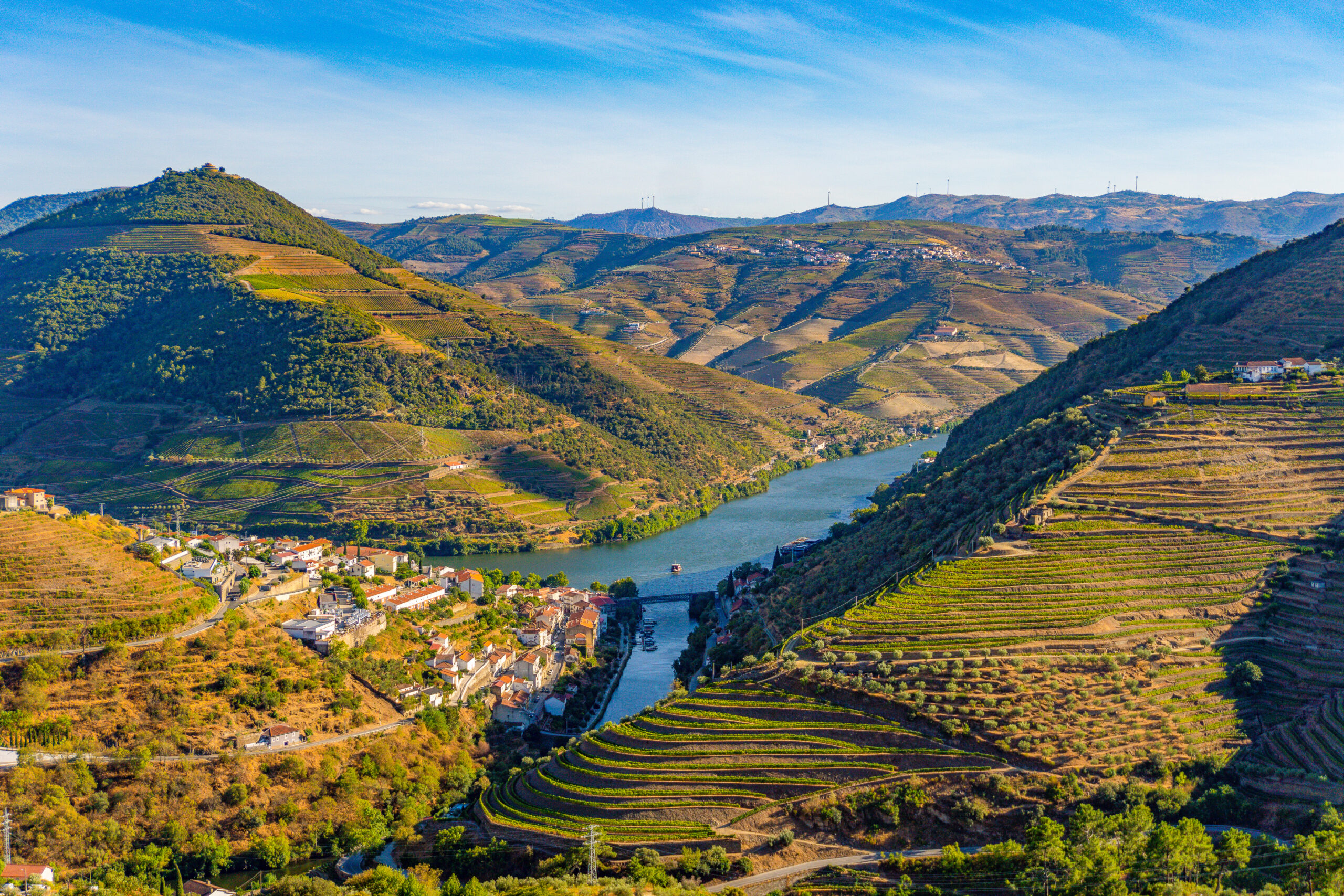
The Douro Valley is one of the most peaceful, beautiful regions in northern Portugal. It’s known for its terraced vineyards, riverfront villages, winding roads, and port wine tradition, but what surprised me most was how calm it felt. The air is softer. The vineyard wrapped hills feel endless. The river moves with its own rhythm. For first time visitors, this Douro Valley itinerary will help you plan anywhere from one to three days in the region in a way that feels relaxed, thoughtful, and catered to you.
This guide blends everything I did during my two day trip with flexible options so you can build a Douro Valley itinerary that fits your pace and your priorities. I included the towns I loved most, my favorite bites, the hike I took in Pinhão, and the places I wish I had more time for.
Why Visit the Douro Valley
If you’re planning a trip through Northern Portugal and need a place that feels both grounding and inspiring, I personally feel that the Douro Valley is one of the best options. It’s quiet without being dull. Scenic without being overwhelming. Somehow simple and dramatic at the same time.
The terraced vineyards along the river are some of the oldest in the world, and the region is a UNESCO World Heritage Site. But beyond its history and wine, the Douro Valley has something harder to describe. It makes you slow down and notice things. It gives you space to breathe in the fresh air. It met me exactly where I was, and I think it’ll do the same for you if you’ll allow it to.
How Many Days Do You Need in the Douro Valley?
While there are plenty of tour operators that offer day tours from Porto, I personally think spending two to three days is perfect. Two days gives you time to experience the region without rushing. Three days gives you room to slow down, visit more wineries, go on a hike (if you’re into that), and genuinely settle into the valley’s rhythm. This Douro Valley itinerary assumes you, like me, want something relaxed, scenic, and full of good food and breathtaking views. Because, well, who doesn’t?
Customizable 2 to 3 Day Douro Valley Itinerary
Day 1: Porto to Amarante to Pinhão
Drive or take the train from Porto
I originally planned to take the train from São Bento Station and purchased my ticket in person the day before, but I overslept, missed it, and decided to rent a car instead of rebooking for the next departing train.
Renting a car was soooooo worth it for the freedom and views—I truly cannot recommend it enough. It gives you the ultimate freedom to stop as much as you want and admire the views and also makes it easier to book wine tastings, tours, or lunches at any restaurant you please without the hassle of having to think about and plan transportation if it isn’t in the center of the town.
If you choose to take the train, the Linha do Douro route is beautiful and runs along the river most of the journey. You can sit back and just take in those views. You can check the departure times from both Campanhã Station and São Bento Station at the official website here.
Stop in Amarante
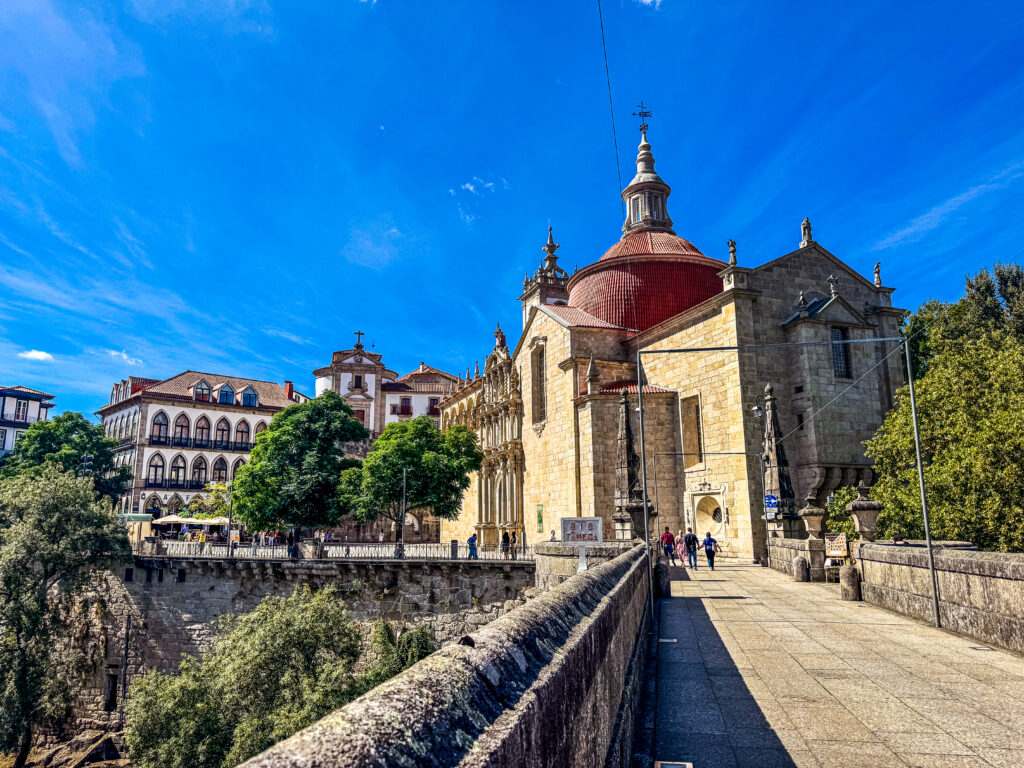
Home to São Gonçalo, Amarante is a small riverside town with a historic bridge, a pretty church, and pastel tile buildings. São Gonçalo is a saint from the 13th century, known for being a matchmaker for singles, particularly for assisting older women in finding husbands. Some people even make the pilgrimage to Amarante in search of true love.
Fuel up for the rest of the drive at a local cafe or taberna. Some good choices are Taberna do Coelho and Taberna Memórias, or O Nosso Café across the bridge.
Walk the Ponte de São Gonçalo, wander the old streets, and take in the river views before continuing deeper into the valley.
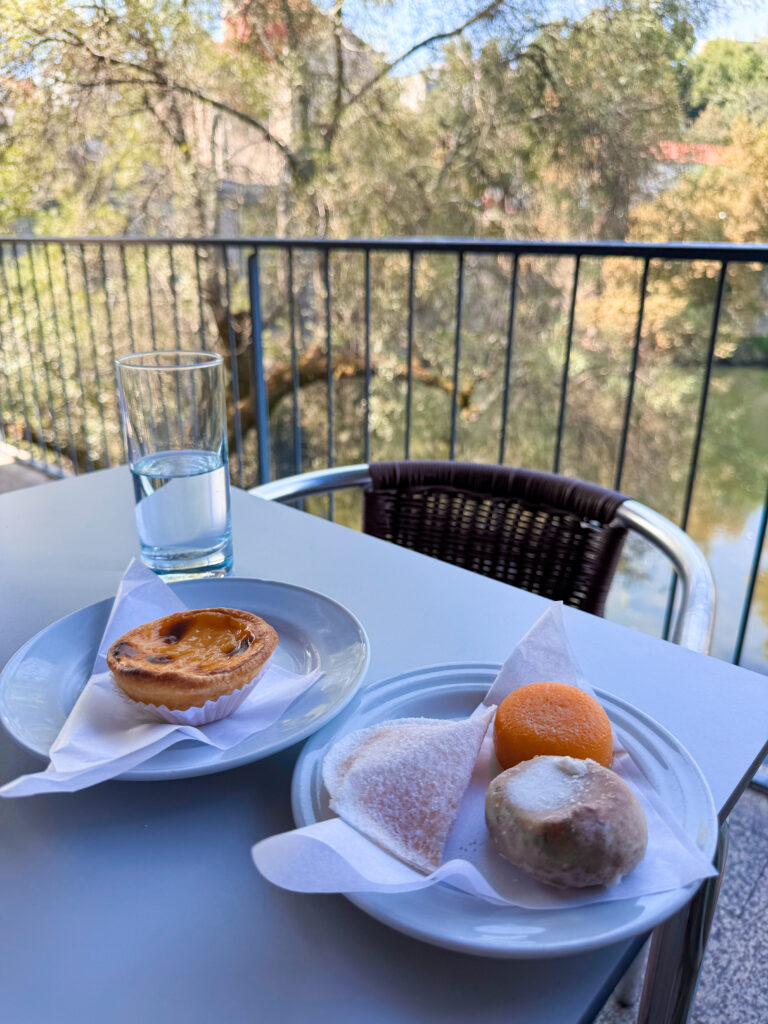
Don’t forget to grab some traditional pastries at the famous Confeitaria da Ponte. I tried lérias, papos de anjo, são gonçalos, and of course a pastel de nata. It was honestly too many sweets for just me in one sitting, but I regret nothing. Plus, that’s what to-go bags are for, hehe.
Continue your journey and stop at miradouros
After taking in the quaint town of Amarante, continue on your journey to Pinhão. The drive from Amarante takes around an hour and a half, give or take, depending on where you stop. And trust me, you will want to stop. There are miradouros, or scenic viewpoints, everywhere along the way. I pulled over more times than I can count just to take in the view or send up my drone for a few shots. And I highly recommend you do the same if you have time!
Arrive in Pinhão
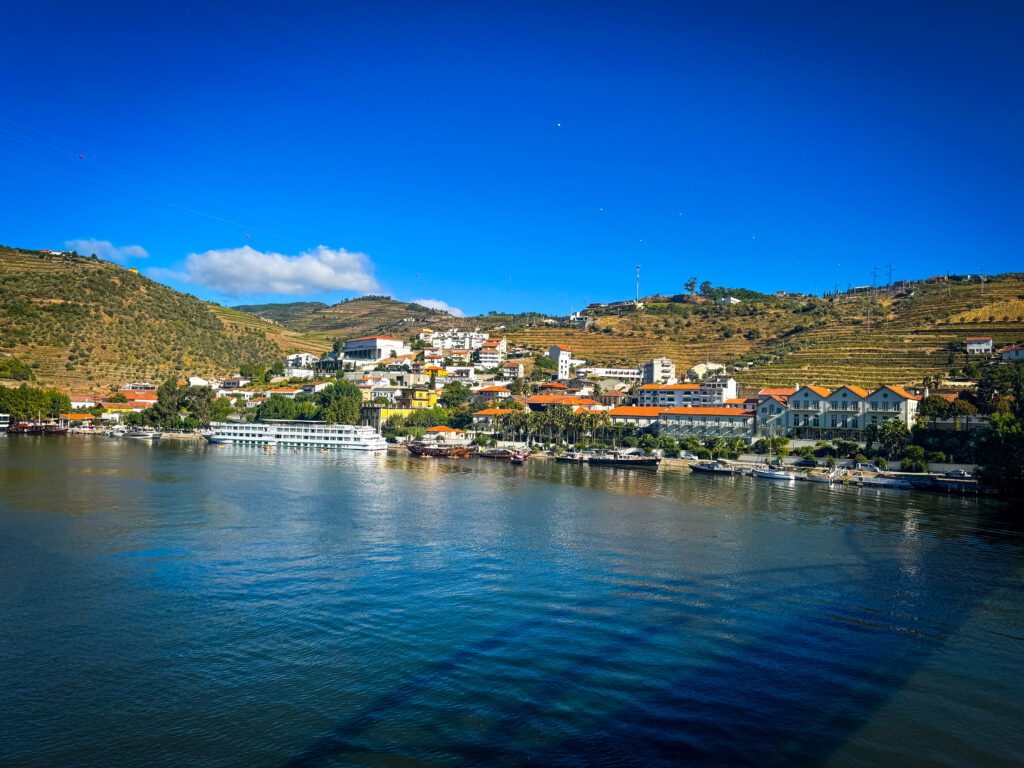
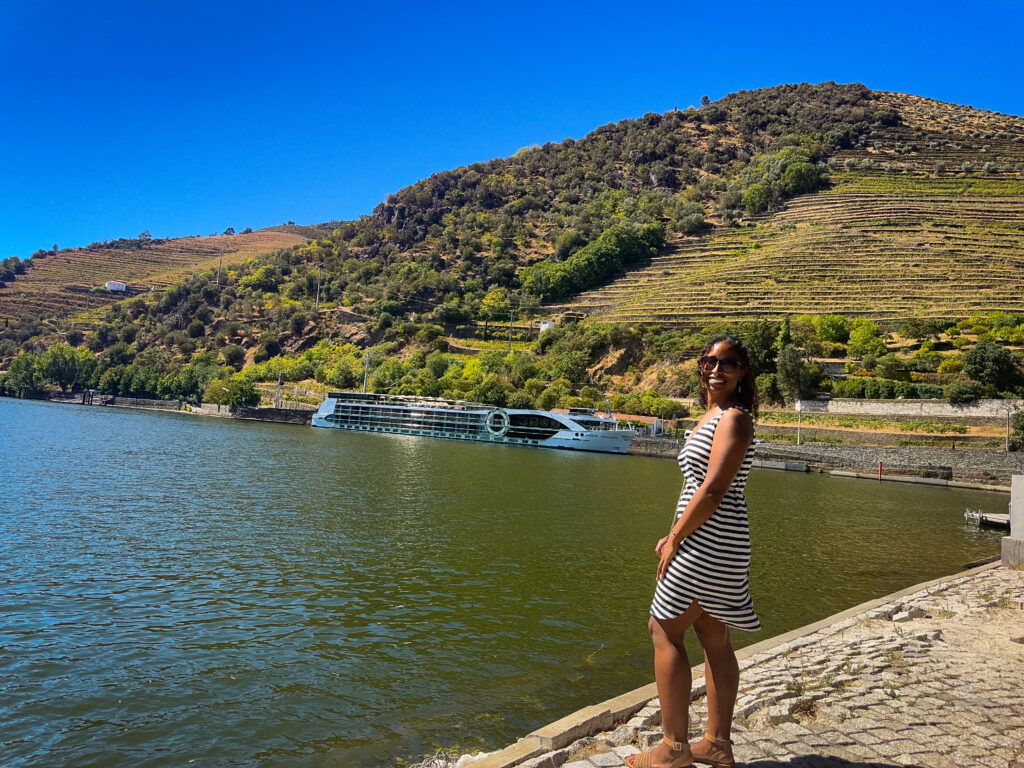
If you took the train, you’ll probably immediately notice the tile murals at the train station, but the whole town kind of feels like it sits inside a vintage postcard. Boats drift along the water, the hills glow at golden hour, and the vineyards wrap around literally everything. Check in to your accommodation, take a short stroll along the river, and let yourself take in the fresh valley air.
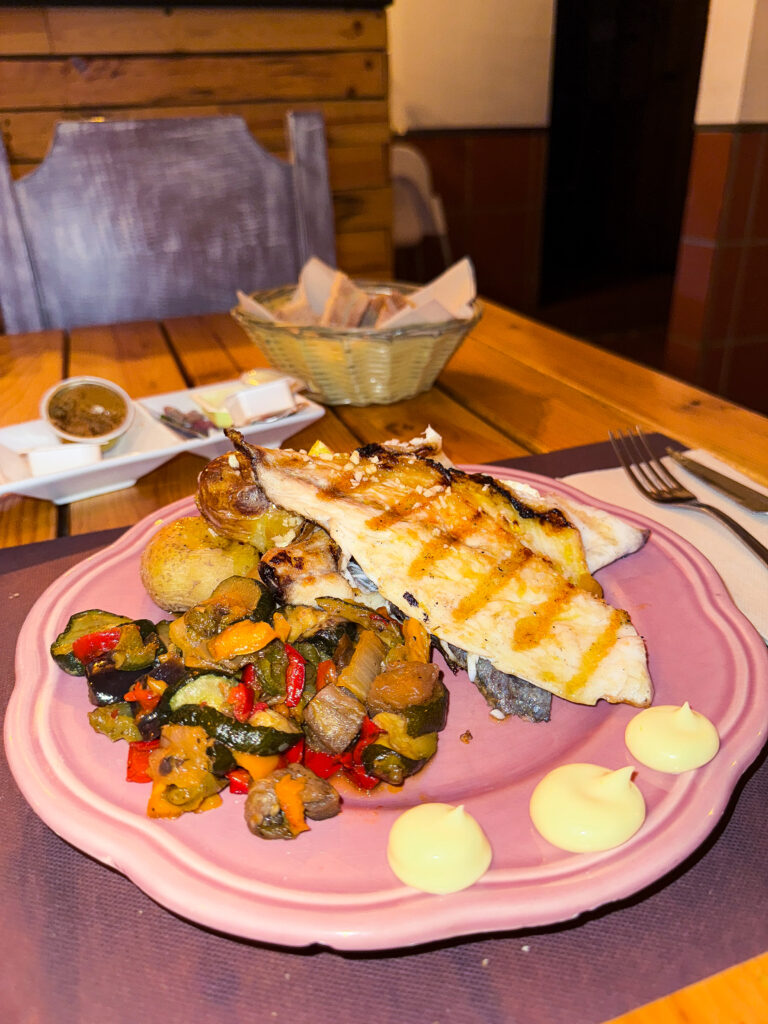
Late lunch/dinner in Pinhão
Depending on what time you arrive in Pinhão, you might want to do a wine tasting at one of the local Quintas before heading to dinner, OR you might want to head straight to dinner like I did.
Some great dinner options include:
⦿ Veladouro (good food, good music, attentive staff)
⦿ Bomfim 1896 (highly recommended by locals)
⦿ O’Porco – Wine & Tapas Bar (for a more bar-like atmosphere)
After your delicious dinner, settle in, and rest up for a full day tomorrow.
Day 2: Vineyard Tours and Optional Hike
Breakfast with a view
Start your morning with breakfast at your hotel and if you’re lucky, you’ll get a seat with a view of the river. If, for some reason, your hotel doesn’t offer breakfast, here are a couple options:
⦿ Pão D’Ouro (casual cafe with yummy pastries and sandwiches)
⦿ Café Beira Rio (very casual and good for a quick, budget breakfast)
Optional hike and wine tasting
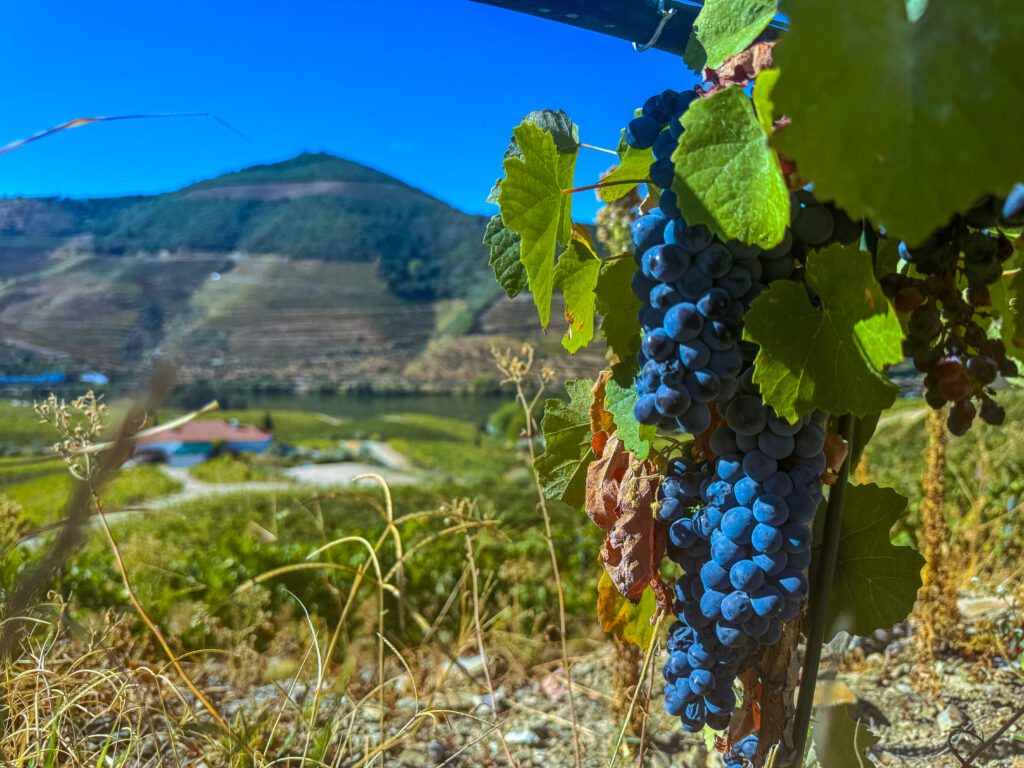
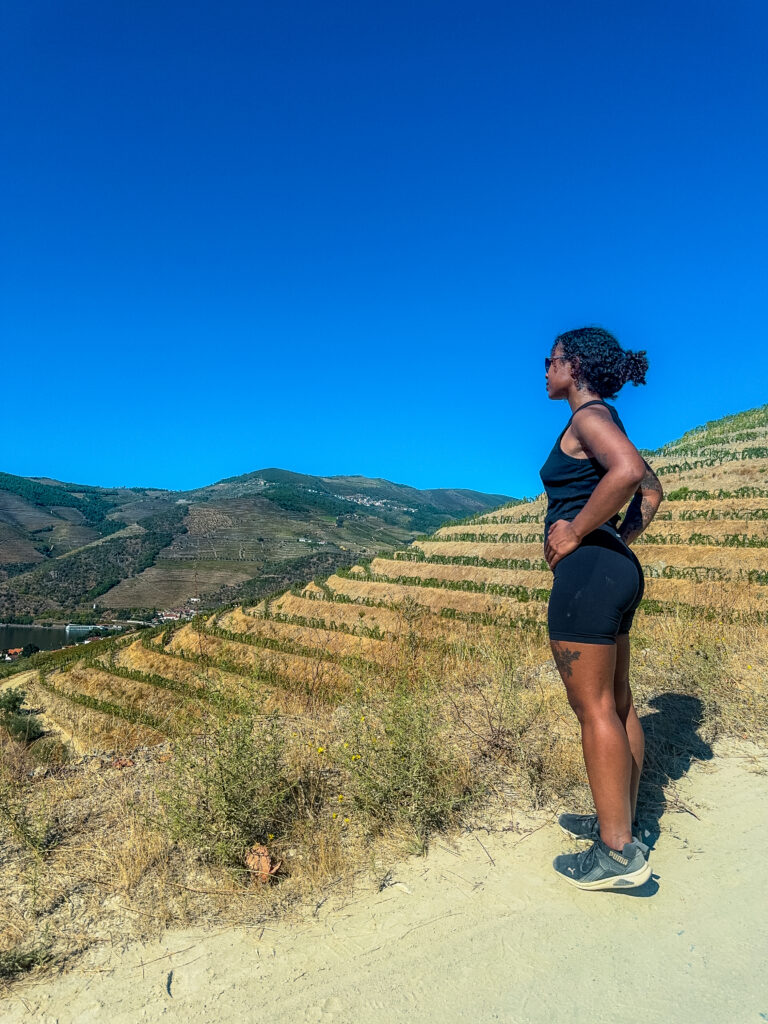
If you’re an adventurer, you might opt for a morning hike, perhaps even a sunrise hike through the vineyards. This was one of my favorite memories. The trail is not always clearly marked and I walked in circles for what felt like an hour before finding the starting point. But once I was on the trail, everything calmed down. The vineyards, the silence, the rhythm of walking, the views. You can watch my full hike here.
If you’re a wine drinker, or even if you’re not, you might want to visit one or two quintas (estate) and take a tour to learn about the history and process of their wine-making in this region. Some tours include a tasting.
Popular options include:
⦿ Quinta da Roêda (Croft Port)
⦿ Quinta do Bomfim (Dow)
⦿ Quinta de La Rosa (if you go here, do yourself a favor and book a lunch too!)
⦿ Quinta do Seixo
Y’all, I thoroughly enjoyed my solo lunch at Cozinha da Clara (Quinta de La Rosa’s restaurant). I had to reserve a table ahead of time and wow…the views alone made it soooooo worth it, but the food was excellent as well. You can get a little peek at my experience and the views here and here.
Dinner
Choose a spot in Pinhão again or head toward Régua if you want something different.
Some restaurants in Régua to check out:
⦿ Castas e Pratos (excellent food, a little pricey)
⦿ Aneto & Table (gorgeous interior, fantastic food)
⦿ Taberna do Zé (on the casual side, great ratings)
Day 3: Explore More Towns or Add a River Cruise
Option 1: Take a boat trip
A small river cruise gives you a totally different perspective of the region and is incredibly peaceful.
Option 2: Visit Peso da Régua or Lamego
Régua (really good food options, the Douro Museum, the three famous bridges)
Lamego (beautiful churches, stunning hilltop views, boulevard full of restaurants and cafes)
Option 3: A slow morning and another wine tasting before heading back
Sometimes the best way to experience the Douro Valley is to simply take it slow. Sit by the river. Have lunch with a view. If the sun’s out, grab an ice cream from a local shop and enjoy it by the river. Let the valley do what it does best.
And when you’re back in Porto, check out my top things to do in Porto here!
Where to Stay in the Douro Valley
If you are traveling by train, Pinhão and Régua are the easiest options, as they are very central, walkable, and right on the river…If you have a car, you can get creative. Some of the best places to stay are in rural areas outside the main towns, often in old manor houses or working quintas (wine estates). These stays are peaceful, scenic, and feel special in a way traditional hotels sometimes just don’t.
Here are a few well loved options in the valley:
⦿ Quinta do Vallado (close to Peso da Régua)
⦿ Casa do Santo (close to Pinhão)
⦿ Quinta da Corte (Peso da Régua)
⦿ Quinta De La Rosa (Pinhão)
⦿ The Vintage House (Pinhão)
⦿ Casa de São Domingos (Pinhão)
⦿ Douro Castelo Signature Hotel (Lamego)
⦿ The Wine House Hotel e Spa – Quinta da Pacheca (Lamego)
How to Get to the Douro Valley (From Porto)
There are three main ways to reach the Douro Valley. Your choice will ultimately shape your itinerary.
Take the Train
The Linha do Douro train is one of the most scenic railways not only in Portugal, but in all of Europe. It follows the river for most of the route and drops you directly into towns like Peso da Régua and Pinhão.
The journey from São Bento Station or Campanhã Station in Porto to Pinhão takes a little over two hours and becomes more beautiful once you leave the suburbs behind.
Rent a Car
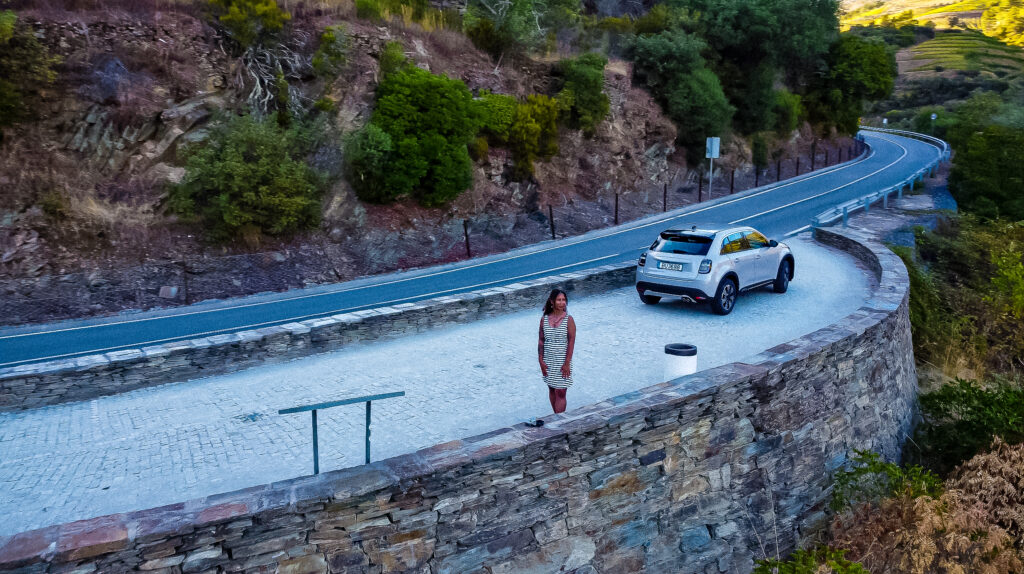
Renting a car took more time and money than I expected, but it was absolutely worth it. With a car, you can stop at every viewpoint, visit small villages, take detours, and move at your own pace. The drive through the valley is stunning. However, I did not actually have a good experience with the booking process or customer service with Europcar. The good news is, there are plenty of other high-rated rental car options in the area, like Hertz and M. Cunha Rent-A-Car. I would personally choose one of these if I had to do it again. But as always, research, research, research. This Douro Valley itinerary is based on my experience only, so you might find something more suitable for you and your situation.
Join a Guided Tour
If planning is not your thing, a guided tour is probably the easiest option for your Douro Valley itinerary. Many tours include wine tastings, river cruises, and visits to iconic viewpoints. If you want more autonomy with a tour, you’ll have to book a private tour, which will undoubtedly cost a bit more. You can also book one of these great tours through GetYourGuide here.
In short…
If you love freedom and scenic drives, rent the car.
If you want something simple and beautiful, take the train.
If you want wine without responsibility, book the tour.
Practical Tips for Your Douro Valley Itinerary
⦿ Expect winding roads once you get deeper into the valley. Drive slowly.
⦿ Book vineyard visits ahead of time, especially in summer.
⦿ If traveling by train, book morning departures and sit on the river side. (Left side if departing from Porto)
⦿ Bring water and sunscreen if you plan to hike.
⦿ Do not rush. The beauty of this region is in the quiet moments.
Before You Go
A Douro Valley itinerary can be as slow or as structured as you want it to be. For me, it was a mix of small towns, river views, quiet hikes, and meals that felt nourishing. I left feeling reinvigorated and lighter than when I arrived, which is how I know a trip is good for my spirit. It is the kind of place that stays with you long after you leave, tucked into your memory the same way the terraced vineyards cling to the hillsides.
My hope is that this Douro Valley itinerary makes your planning easier and your visit richer. And if you are anything like me, you might find that this region gives you exactly what you did not know you needed.